The industrial pumps sector is growing fast due to industrialization demand 9% annually. But in chemical plants, one small mistake can cause big losses. Many failures start with the wrong impeller for pumps. Flow drops, motor load increases, seals fail early and resultantly production stops. This is why correct impeller choice is serious business. When selecting from different pump impeller types, you must match liquid nature and duty point. A wrong centrifugal pump impeller can waste power daily. Many industries ignore Open impeller vs closed impeller difference. They also skip proper Impeller diameter selection. Did you know that Industrial pumps with smart monitoring cut maintenance by up to 30%?
For acids and solvents, go for a proper impeller for corrosive liquids. A correct Open impeller pump setup improves life and saves cost.
Role of an Impeller in a Centrifugal Pump:
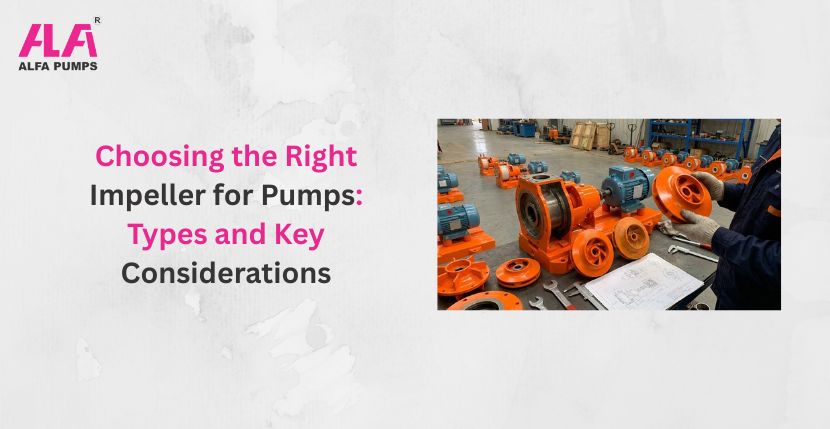
The heart of any pump is the centrifugal pump impeller. It rotates and pushes liquid outward using centrifugal force. Without the right impeller for pumps, pressure will not build properly. Different pump impeller types control flow and head differently. This is why Open impeller vs closed impeller comparison is important before purchase. Speed and Impeller diameter selection directly affect discharge pressure. If handling chemicals, always check if the impeller for corrosive liquids is suitable. In many process plants, an Open impeller pump handles slurry better because solids pass easily without choking.
Main Types of Pump Impellers and Their Industrial Applications:
Did you know that the Impeller segment is valued at ~USD 4.8 billion in 2026? There are three major pump impeller types used in industry. Each suits different duties. Selecting the right impeller for pumps avoids breakdowns and downtime.

1. Open Impeller:
An open impeller has vanes attached to a hub without side plates. It works well in an Open impeller pump. It is best for liquids with solids or slurry. Many chemical units use this design as an impeller for corrosive liquids when clogging risk is high. In Open impeller vs closed impeller, this type is easier to clean. Efficiency is slightly lower than a centrifugal pump impeller with shrouds. Correct Impeller diameter selection is important to maintain the head.
2. Semi-Open Impeller:
This type has one side plate. It balances efficiency and solids handling. It suits moderate viscosity chemicals. Compared in Open impeller vs closed impeller, it offers better strength than open type. It is widely used as an impeller for pumps in chemical dosing systems. Proper Impeller diameter selection improves hydraulic performance. It can also be designed as an impeller for corrosive liquids using PP or PVDF material.
3. Closed Impeller:
This design has two side plates enclosing vanes. It is common in high-efficiency centrifugal pump impeller applications. It gives strong pressure output. Among pump impeller types, this is most efficient for clean liquids. In Open impeller vs closed impeller, this wins in efficiency but loses in solids handling. Accurate Impeller diameter selection is critical. For aggressive acids, manufacturers design it as an impeller for corrosive liquids using non-metallic materials. The closed impeller pump market is worth ~USD 23.66 billion in 2026.
Comparison – Open vs Semi-Open vs Closed Impeller
| Feature | Open Impeller | Semi-Open Impeller | Closed Impeller |
|---|---|---|---|
| Efficiency | Medium | Good | High |
| Solids Handling | Excellent | Moderate | Poor |
| Cleaning | Easy | Moderate | Difficult |
| Best For | Slurry | Moderate Chemicals | Clean Liquids |
| Maintenance | Easy | Moderate | Slightly Complex |
Material Selection – Why Non-Metallic Pump Impeller Matter in Chemical Transfer
Chemical industries handle acids, alkalis and solvents daily. Metal impellers corrode fast in such duty. This is why selecting the correct impeller for corrosive liquids is important.
Many companies now prefer PP, PVDF and ETFE materials. These improve life of the impeller for pumps and reduce maintenance cost.
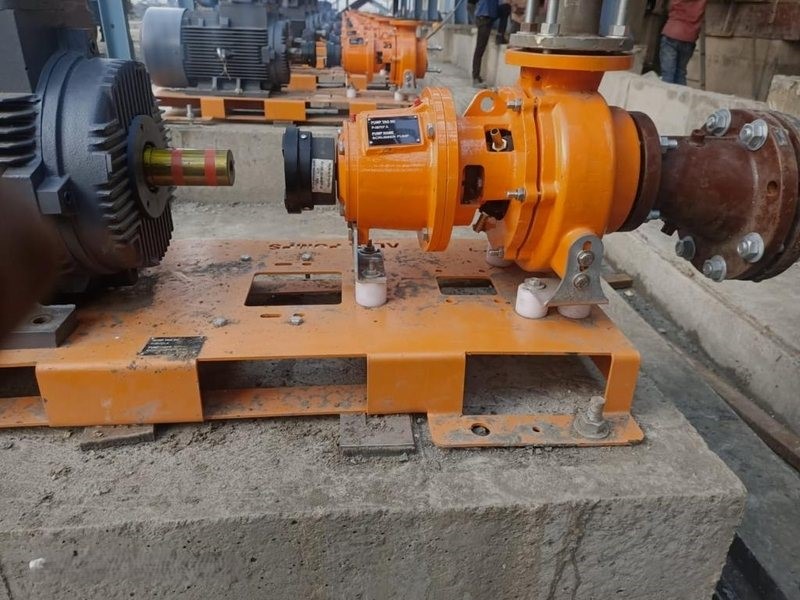
As per 2026 chemical processing reports from leading industry platforms like Chemical Processing (chemicalprocessing.com), corrosion is one of the top three pump failure reasons globally.
Non-metallic centrifugal pump impeller designs resist chemical attack. They are lighter and reduce motor load. Among various pump impeller types, non-metallic options are widely used in acid transfer. Even in an Open impeller pump, polymer construction gives longer service life when handling harsh media.
Impeller Material Comparison – Quick Guide
| Material | Best For | Advantage | Limitation |
|---|---|---|---|
| PP | Mild chemicals | Low cost | Temp limitation |
| PVDF | Strong acids | High corrosion resistance | Higher cost |
| ETFE | Aggressive solvents | Excellent chemical resistance | Limited availability |
| SS | Clean water | High strength | Corrosion risk in acids |
Main Factors to Consider While Selecting the Right Impeller for Pumps:
- First, understand the liquid. Check viscosity and solid content.
- Then compare Open impeller vs closed impeller based on duty. Always review the pump curve before final Impeller diameter selection. Diameter changes flow and head directly.
- Next, confirm material suitability as an impeller for corrosive liquids if chemicals are aggressive. Power consumption must match motor rating. Wrong centrifugal pump impeller size increases energy bills.
According to Hydraulic Institute data from 2026, nearly 30% pump energy waste happens due to improper sizing. Corrosion remains a top three failure cause in chemical transfer pumps globally across industries. Thus, you need to study available pump impeller types carefully. In slurry handling, an Open impeller pump often performs better. Correct impeller for pumps improves efficiency and reduces shutdown risk.
Common Pump Impeller Problems & How Proper Selection Prevents Failure:
- Cavitation damages a centrifugal pump impeller quickly.
- Wrong Impeller diameter selection also causes vibration.
- Corrosion eats weak metals when not using a proper impeller for corrosive liquids.
- Clogging happens if solids pass through wrong pump impeller types.
- Many failures come from ignoring Open impeller vs closed impeller differences.
Installing the correct impeller for pumps avoids these issues. In slurry duty, an Open impeller pump reduces blockage risk. Proper selection increases bearing life and lowers maintenance cost.
How Alfa Pumps Helps You Beat Pump Impeller Problems:
- Free site audit for impeller mismatch
- Customised impeller for pumps selection support
- Expert guidance on Impeller diameter selection
- Chemical compatibility check for impeller for corrosive liquids
- Fast replacement for Open impeller pump systems
- Performance upgrade across all pump impeller types
Make a Smart Impeller Choice for Long-Term Performance:
Industrial pumps work under pressure every day. Small design mistakes cause big financial loss. The right impeller for pump selection ensures stable flow and energy savings. Compare all pump impeller types carefully. Always remember that energy-efficient pump designs cut operational costs 15-20%. A well-designed centrifugal pump impeller inside a suitable Open impeller pump setup delivers long service life and reliable chemical transfer for years. Connect with us to know more.
FAQs:
A pump impeller in centrifugal pumping system rotates and pushes liquid outward to create pressure and flow. Correct selection improves efficiency and reduces energy loss.
You must check liquid type, viscosity, and solids before selecting a chemical transfer pump impeller design. Proper sizing prevents corrosion and breakdown.
For slurry duty, a solid handling pump impeller for slurry applications is ideal because it reduces clogging and improves pump life.
Correct impeller diameter selection in centrifugal pump system directly controls flow rate and discharge pressure. Wrong size increases vibration and power consumption.
Cavitation happens when pressure drops and bubbles form, damaging the high-speed rotating pump impeller blades over time.

Mr. Sanket Patel is a visionary industrial leader and managing director of Alfa Pumps. He leads the company’s innovation in fluid handling solutions, focusing on chemical process pumps designed for corrosive fluids.