Are your chemicals leaking during transfer? Do your pumps fail too soon or need constant repairs? Many companies struggle with downtime, industry accidents, and costly maintenance because they use the wrong pump for chemicals. How do you know which chemical transfer pump is right for your liquid? Which industrial pump selection choices will save time and prevent spills?
Using a pump selection guide and knowing how to choose the right pump can solve these problems. At ALFA PUMPS, we make sure you get safe, reliable, and long-lasting pumps, so production never stops. How? We are sharing here now…
Understanding What a Chemical Transfer Pump Does:
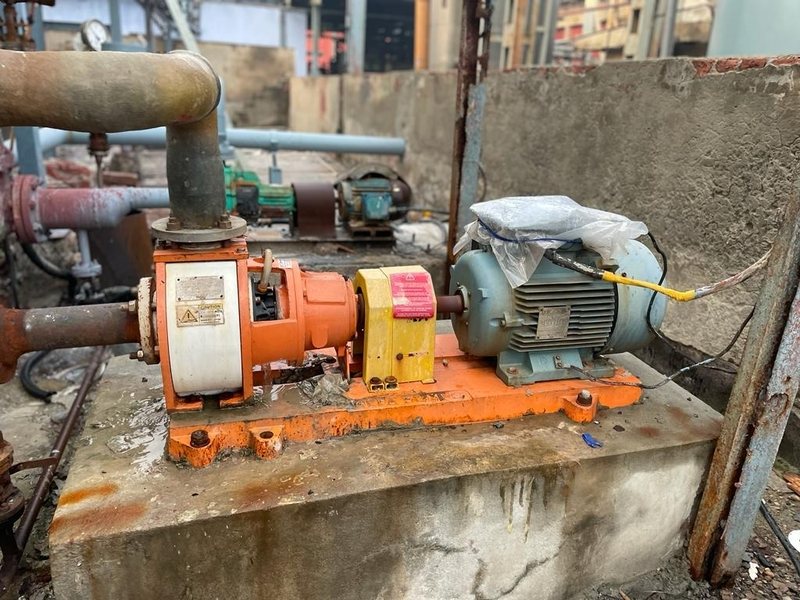
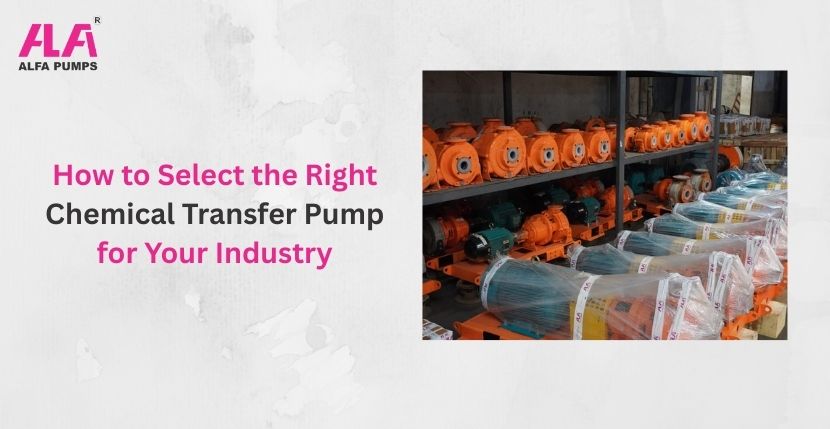
A chemical processing pump moves liquids safely from one storage facility/container to another. It ensures that dangerous chemicals flow without spills or accidents.
- Centrifugal chemical pumps are common because they handle liquids gently and continuously.
- Pump maintenance is easier when the right pump is chosen.
- Chemical compatibility is also very important. Using the wrong pump can corrode the system.
- Industrial fluid handling depends on the pump’s reliability. A good chemical transfer pump prevents leaks, protects workers, and keeps the industrial production running.
Selecting the right pump means having the correct flow rates and consistent pressure. Always match the pump type with the fluid it handles. We are next sharing how this can be done.
Assess the Type of Chemical You are Handling:
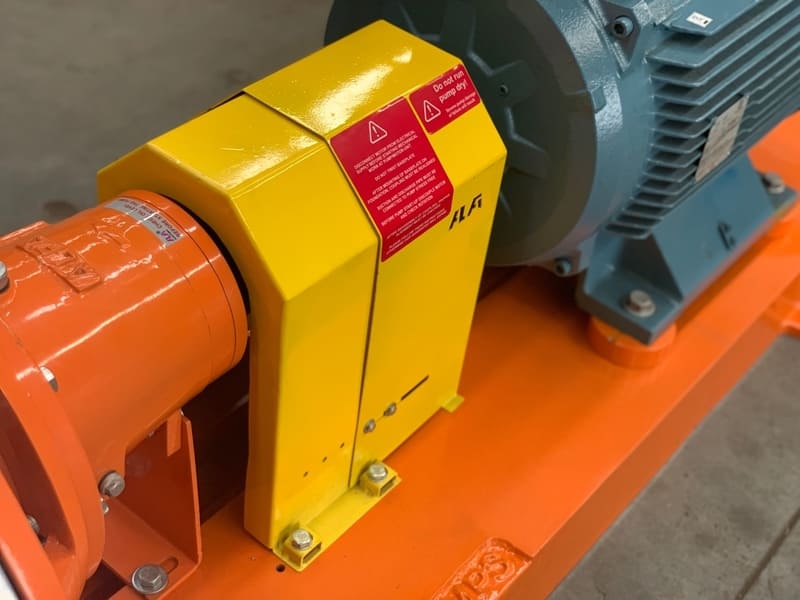
Before buying, understand your chemical’s properties. Some chemicals are strong acids, others are bases, and some are flammable. This affects pumps for chemical selection. So you must check chemical compatibility to avoid corrosion and leaks. For example, hydrochloric acid requires corrosion-resistant pumps. On the other hand, water-based fluids may use standard chemical processing pumps.
- Temperature also matters – hot chemicals need pumps that withstand heat.
- Viscosity is important, which means that thick liquids need more powerful pumps.
- Some chemicals react with metals or plastics, so material choice is key.
So we are now sharing in detail a pump selection guide that helps pick the right pump material. Using the wrong pump can cause downtime, accidents, or spills. Always ask about chemical behavior before making an industrial pump selection. Choosing the right pump reduces risks and increases equipment life. Safety and reliability depend on understanding what liquid is being transferred by which pump.
Chemical and Pump Material Compatibility Guide:
Different chemicals require different pump materials. If the wrong material is used, pumps fail early. At ALFA PUMPS, we guide customers with a detailed chemical compatibility chart. For acids like hydrochloric acid, we suggest PTFE or PVDF pumps. For solvents, stainless steel pumps are the best choice. Abrasive fluids may need special lining inside the pump casing. You get pumps that perfectly match your chemicals, preventing corrosion and leakage.
Industry-Specific Pump Solutions:
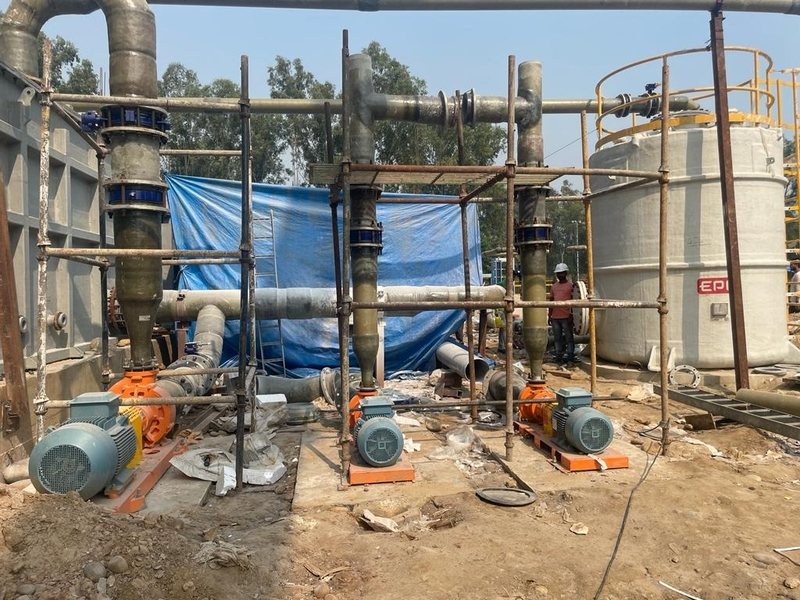
Every industry needs special pump designs. For pharmaceutical industries, hygienic and contamination-free pumps are needed. For oil and gas, explosion-proof pumps are important. In food industries, clean and safe handling is required. At ALFA PUMPS, we provide pumps that match the exact needs of chemical plants, refineries, water treatment plants, paint and resin factories, and many more industrial sectors. We design pumps that solve real production problems.
How Operating Conditions Affect Pump Performance and Longevity:
Smoother industrial operations come from picking the correct chemical transfer pump for your environment. Pump maintenance schedules are easier when conditions match the pump design. Centrifugal chemical pumps perform best in stable, controlled conditions. Choosing the right pump based on these factors avoids downtime and keeps production safe. You see, the operating conditions greatly impact your pump’s life. So you must keep the following essential points in mind:
- High-temperature fluids shorten pump material life.
- Abrasive chemicals cause faster wear on moving parts.
- Continuous operation increases maintenance requirements quickly.
- Pressure variations affect pump seals and performance.
- Low flow rates can cause overheating or cavitation damage.
- Pump placement near chemicals must avoid spills or leaks.
- Viscous fluids require higher energy pumps to maintain flow.
- Sudden start-stop cycles reduce pump longevity noticeably.
- Poor industrial fluid handling practices increase repair frequency.
Common Pump Failures We Prevent:
When the wrong pump is chosen, many failures happen:
- Cavitation breaks the impeller
- Seal failure causes dangerous leakage
- Overheating damages motors
- Abrasive chemicals wear components fast
ALFA PUMPS prevents these with proper design selection: correct NPSH, correct seal type, suitable material, and right power rating. So your pumps keep working without tension.
Smart Technology and Predictive Maintenance for Pumps:
Today’s industries want pumps that are not only safe but also smart. ALFA PUMPS provides advanced pumping solutions with options like remote monitoring, leak detection alarms, vibration tracking, and automatic shutdown safety features. These smart features help you predict when the pump needs servicing before any major breakdown happens. So, downtime reduces and your pump life increases quickly. Digital monitoring keeps your chemical flow safe every minute.
Main Technical Specifications Before Buying a Chemical Transfer Pump:
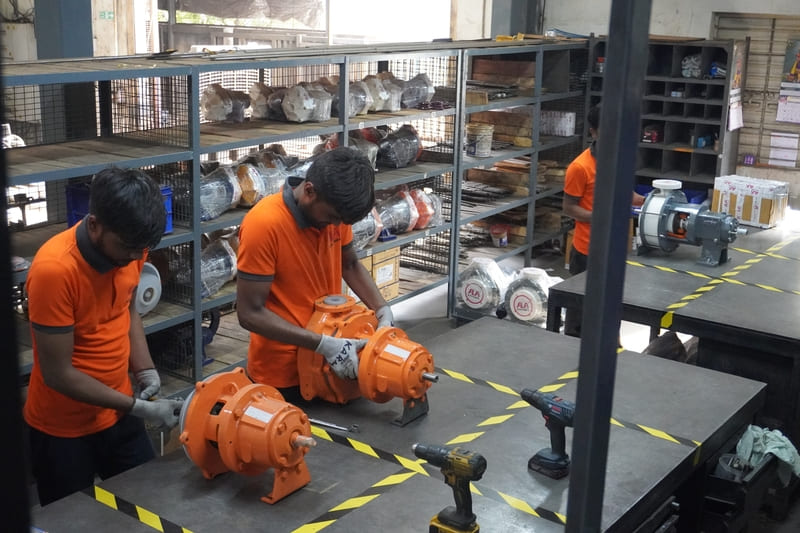
Using a pump selection guide and reviewing these specifications ensures you choose the right pump. Proper selection increases life, reduces costs, and avoids unexpected failures. Chemical transfer pump reliability depends on careful evaluation of these technical points. Here are essential points for industrial pump selection:
- Flow rate must match your chemical processing needs precisely.
- Maximum pressure tolerance protects pump and piping systems.
- Pump material must ensure chemical compatibility with fluids.
- Seal type determines leak prevention and reduces maintenance needs.
- Motor power must support the fluid’s viscosity and volume.
- The temperature range affects the durability of corrosion-resistant pumps.
- Pump size impacts installation and industrial fluid handling efficiency.
- Suction lift must match the tank or chemical storage height.
- Noise levels and vibration matter in sensitive plant areas.
- Control options like variable speed improve flow accuracy easily.
Total Cost Savings Over Pump Life:
Many people look only at pump price. But the real cost is in energy usage, maintenance, and failures. ALFA PUMPS reduce your total cost by giving:
- Long-lasting seals
- Low power consumption
- Less spares requirement
- Smooth performance without stoppages
This means 30–50% money savings in long-term operation. You pay once, but performance benefits come for many years.
Safety, Compliance, and Environmental Responsibility:
A good chemical processing pump keeps your workers safe and also protects the environment. When you choose the right pump, spills, leaks, and chemical accidents are reduced. Laws and regulations expect industrial pump selection to meet safety rules. Corrosion-resistant pumps prevent damage from strong chemicals and stop pollution. Regular pump maintenance will assure you that all is working well, is safe, and compliant with environmental laws. Checking chemical compatibility avoids reactions that can destroy equipment or cause cleanups. Proper industrial fluid handling saves chemicals and energy, thereby saving money. Picking the correct pump for chemicals protects people, follows laws, and keeps your workplace responsible. In chemical work, safety, law, and environmental care cannot be ignored – they are essential.
Certifications and Safety Approvals:
ALFA PUMPS is committed to safety and international quality. Our pumps are manufactured with certifications such as ISO quality standards and ATEX for hazardous environments (optional based on need). These approvals ensure our pumps meet top-class industrial safety rules and pass strict inspection tests.
Work With Reliable Chemical Transfer Pump Manufacturers and Technical Support:
Partnering with experienced manufacturers like ALFA PUMPS ensures the right chemical transfer pump for your needs. What do you get when you partner with us?
- A trusted supplier that guides how to choose the right pump. Industrial pump selection is easier when experts advise on centrifugal chemical pumps or corrosion-resistant pumps.
- Technical support helps with installation, pump maintenance, and troubleshooting.
- We are top-rated manufacturers who offer reliable chemical processing pump options and advice on chemical compatibility.
- We also provide training to your staff. This ensures safe industrial fluid handling. When you partner with experienced suppliers like us, you avoid mistakes, reduce downtime, and increase production efficiency.
Custom Solutions and Engineering Support:
Not all chemicals and systems are the same. That is why ALFA PUMPS also offers customization options like:
- Special coated pump internals
- Magnetic drive design for zero leakage
- Jacketed pumps for hot fluids
- Variable frequency drive for controlled speed
- Skid-mounted systems
We adjust the pump design as per your application — not the other way around.
Choose the Right Pump, Secure Your Industrial Success:
Don’t risk downtime, leaks, or costly accidents. Partner with ALFA PUMPS for expert industrial pump selection and reliable chemical transfer pumps. Our pump selection guide and expert advice ensure you choose the right pump every time. Protect your team, your chemicals, and your production. Act now to secure corrosion-resistant pumps and smooth industrial fluid handling. Don’t wait—delays can cost more than the right pump today. Contact ALFA PUMPS and upgrade safely.
FAQs:
Chemical behavior like acidity, flammability, and viscosity directly affects pump life and reliability. Understanding this helps industries follow best practices for selecting chemical transfer equipment for industries for safe and smooth operation.
Strong or reactive chemicals can damage pump parts quickly if materials are not suitable. This is why industries prefer corrosion-resistant fluid handling solutions for chemical processing plants for long service life.
High or unstable temperatures can weaken pump seals and internal components. To work safely at high temperatures, companies adopt heat-tolerant pumping systems for hazardous chemical operations.
Leakage is controlled by using sealed designs and correct materials. Many plants now prefer leak-proof fluid movement systems for industrial chemical environments to keep workers and equipment safe.
Each industry handles unique fluids and working conditions, so pump designs must match the application. Sectors like pharma and oil & gas choose industry-specific fluid transfer solutions for complex chemical operations.
Proper equipment reduces breakdowns, energy waste, and repair needs. Many factories save money by using cost-efficient chemical movement solutions for long-term industrial performance.
Proper equipment reduces breakdowns, energy waste, and repair needs. Many factories save money by using cost-efficient chemical movement solutions for long-term industrial performance.

Mr. Sanket Patel is a visionary industrial leader and managing director of Alfa Pumps. He leads the company’s innovation in fluid handling solutions, focusing on chemical process pumps designed for corrosive fluids.