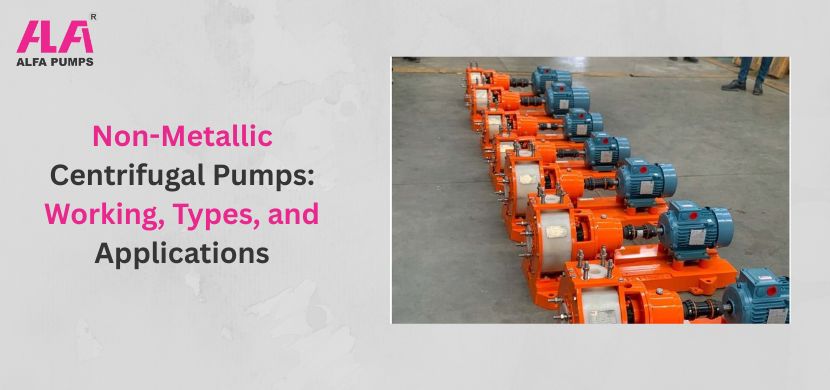
When you handle chemicals, acids or any harsh liquids, you need a pump that won’t rust, leak or fail. That’s why more buyers today search for non metallic centrifugal pumps and chemical handling pumps that stay strong in tough conditions. These corrosion resistant centrifugal pumps work safely even in industries where metal pumps die fast. With clear designs and long life, non-metallic pumps in industry are now the trusted choice. Before you buy, it helps to know the types of non-metallic centrifugal pumps, how they work and why they save money in the long run. These pumps are light in weight, easy to install and work well even in 24/7 operations. Today, factories use non-metallic pumps in industry to avoid rust problems and cut repair costs.
Construction and Materials Used in Non-Metallic Centrifugal Pumps:
Engineered plastics are used to create the core of a non metallic centrifugal pump. Common materials include PP (Polypropylene), PVDF, ETFE and FRP. These materials do not rust. Plus they also have a strong resistance against acids, alkalis and salts. Inside the pump even the impeller, casing and liners are fully non-metallic.
Together, this gives excellent protection against wear and chemical attack. These designs avoid any kind of metal contact. Thus, the pump stays safe even with strong chemicals. Many corrosion resistant centrifugal pumps use fibre-reinforced plastics – these provide them extra strength. The overall non-metallic pump design helps the pump run smoothly. Absence of metal also makes it lighter than metal pumps and work longer without major repairs.
In addition, different materials have different advantages. For example, PP pumps are tough and economical, PVDF pumps can handle hotter and more corrosive liquids, and PTFE-lined pumps are perfect for very aggressive chemicals. Using the right material for your chemical ensures longer life and fewer maintenance problems.
Working Principle of Non-Metallic Centrifugal Pumps:
The working principle of a non metallic centrifugal pump is simple. Liquid enters the pump through the suction line. The impeller rotates at high speed. This spinning action pushes the liquid outward with force. The fluid gains pressure and moves out through the delivery pipe. The process continues smoothly as long as the pump runs.
Since all wet parts are non-metallic, the liquid never touches metal surfaces. This is why the pump safely handles strong chemicals. The flow is steady and suitable for tanks, transfer lines and process plants. How non-metallic centrifugal pumps work is similar to metal pumps, but the advantages of non-metallic centrifugal pumps include no rust, less maintenance and safer chemical handling.
Compared to metal pumps, non-metallic pumps save money on repairs and replacements because they do not corrode. They also run with lower friction, making them more energy-efficient. For factories running pumps 24/7, this means lower electricity bills and smooth operation.
Read Also: Non-Metallic Pumps for Corrosive Chemicals A Buyer’s Guide
Types of Non-Metallic Centrifugal Pumps:
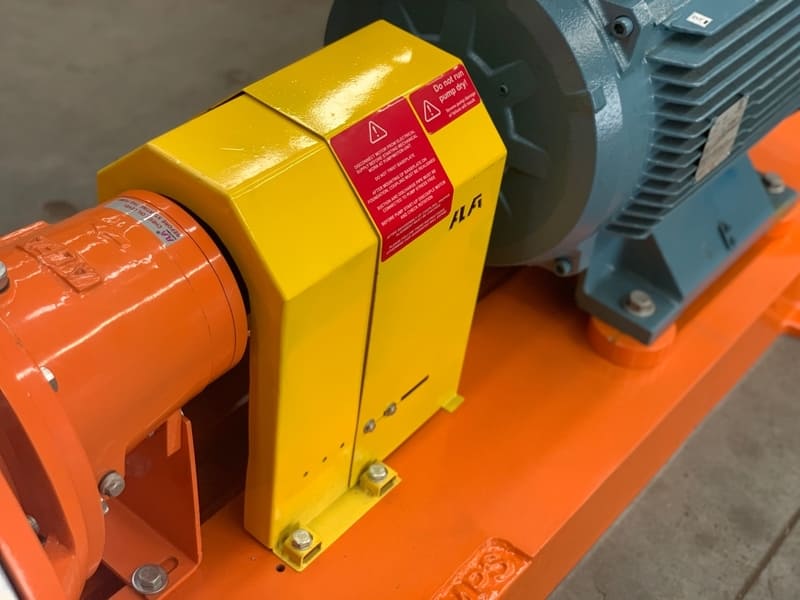
- Horizontal Centrifugal Pump – Good for general flow. Easy to maintain. Works well for chemical handling pumps where space is open.
- Vertical Centrifugal Pump – Ideal when the tank is deep. Saves space. Keeps the motor safe from fumes.
- Magnetic Drive (Sealless) Centrifugal Pump – No mechanical seal. Zero leakage design. Perfect for corrosion resistant centrifugal pump needs. Safe for passage of toxic chemicals or costly liquids.
- Polypropylene (PP) Centrifugal Pump – Tough non-metal material. Handles acids, alkalis and saltwater. A common choice in non-metallic pumps in industry.
- PVDF (Polyvinylidene Fluoride) Centrifugal Pump – Higher chemical resistance than PP. Works even with hot, corrosive media. Long life, low maintenance.
- PTFE / Teflon-Lined Centrifugal Pump – Best for highly aggressive chemicals. Full liner protects the casing. Great for heavy-duty plants.
- Glass-Filled or Composite Non-Metallic Pumps – Strong bodies for abrasive slurry. Light weight but sturdy.
- Custom Non-Metallic Pump Designs – Built as per fluid, temperature and process. Perfect for buyers needing exact-fit solutions.
You can also choose pumps based on your chemical and temperature needs. Using the right type of non-metallic pump reduces wear and saves money over the years, which is not always highlighted by others in the industry.
Advantages and Limitations of Non-Metallic Centrifugal Pumps:
Advantages:
- Highly corrosion resistant centrifugal pump performance.
- No rusting or metal contamination.
- Light weight and easy to handle.
- Long service life due to strong non-metallic pump design.
- Lower maintenance in chemical duty.
- Safe for acids, alkalis, solvents and waste liquids.
- Cost-effective for harsh environments.
Limitations:
- Not suitable for very high pressure.
- Temperature limits depend on material (PP < PVDF < PTFE).
- Can wear faster with sharp, abrasive particles.
- Needs proper installation alignment for long life.
Still, for most chemical and industrial jobs, advantages of non-metallic centrifugal pumps outweigh the limits.
Applications of Non-Metallic Centrifugal Pumps:
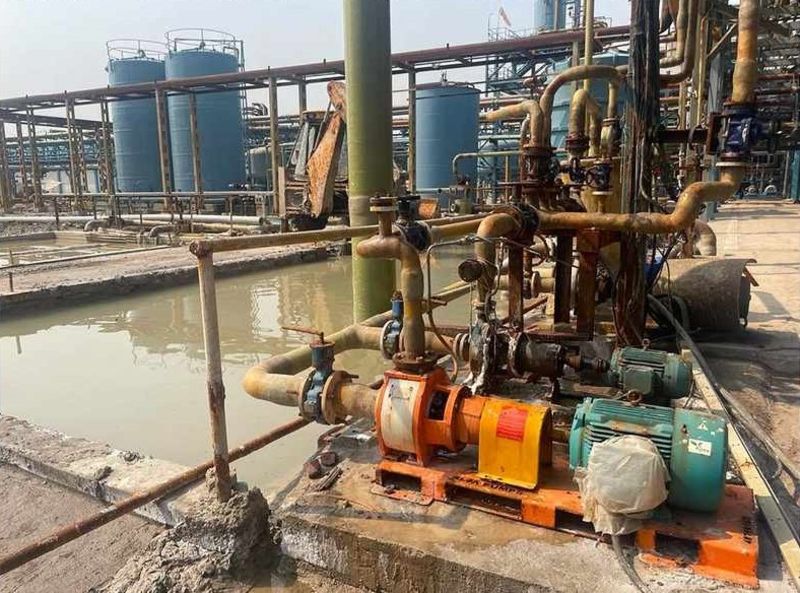
We are now sharing the vast nature of applications to show why industries prefer reliable chemical handling pumps built to last in tough environments.
- Chemical Processing Industry – Used for acids, solvents, dyes and corrosive liquids. Zero fear of metal corrosion.
- Pharmaceutical Manufacturing – Clean transfer of sensitive fluids. No contamination. Perfect for pure water, ingredients and waste chemicals.
- Mining & Mineral Processing – Handles acidic water, leach solutions and chemical reagents safely.
- Textile & Dye Houses – Suitable for dye chemicals, bleaching agents and hot liquids.
- Water Treatment Plants – Works with chlorine, alum, ferric chemicals and wastewater.
- Agriculture & Fertilizer Units – Pumps pesticides, fertilizers and chemical mixtures without damage.
- Electroplating & Surface Treatment – Manages plating baths, acids, pickling liquids and rinse chemicals.
- Food & Beverage (Non-contact areas) – Used for cleaning chemicals and utility fluids.
- General Industrial Transfer – Any plant dealing with corrosive or hazardous fluids relies on non metallic centrifugal pump technology for longer life and safer operation.
Industries are now adopting smart pumps with sensors to monitor flow, pressure, and pump health. These IoT-enabled pumps reduce downtime and prevent unexpected failures, making operations more reliable.
Read Also: How to Select the Right Chemical Transfer Pump for Your Industry
Material, Design, and Energy Efficiency Tips:
Choosing the right material is very important. PP is economical and works for mild chemicals, PVDF can handle hot and strong acids, and PTFE is best for very aggressive fluids. Fibre-reinforced designs increase strength, while sealless pumps prevent leakage completely.
Non-metallic pumps are lighter, which reduces installation costs and energy usage. Smooth flow design means lower electricity bills. Proper alignment and installation increase pump life and reduce maintenance.
Comparison With Metal Pumps:
Unlike metal pumps, non-metallic centrifugal pumps never rust and do not contaminate chemicals. They last longer, need less maintenance, and are safer in chemical handling. Even though metal pumps can handle high pressure better, for most chemical industries, non-metallic pumps are more cost-effective and durable.
Read Also: Cost Savings with Non-Metallic Pumps vs Metal (Titanium) Pumps
The Smart Choice for Your Plant:
In India alone, the industrial-pump market just crossed USD 3.8 billion in 2023 and is growing fast. Looking for a pump that won’t rust, won’t leak and works every day without trouble? Our non-metallic centrifugal pump from Alfa Pumps is built tough. These chemical handling pumps are perfect when you handle acids, solvents or corrosive liquids. With non-metallic pumps in industry, you get true durability – the corrosion resistant centrifugal pump lasts far longer than plain metal ones. Thanks to smart non-metallic pump design, all moving parts stay safe from chemical attack. That’s exactly how non-metallic centrifugal pumps work – smooth, reliable flow without wear. We offer different types of non metallic centrifugal pumps to match your needs.
We offer different types of non metallic centrifugal pumps to match your needs. With proper installation, material choice, and maintenance, these pumps reduce energy consumption, save money, and run efficiently for years.
So why wait? Get the advantages of non-metallic centrifugal pumps – safer, longer-lasting, low-maintenance. Choose Alfa Pumps today and keep your plant running strong. Call now for a free quote!
FAQs:
Polymer-built pumps resist corrosion and chemical attack much better than metal pumps. Because of this, industries prefer polymer engineered pump solutions for corrosive liquids to reduce maintenance and increase safety.
Materials like PVDF, PTFE and ETFE handle aggressive chemicals and hot liquids very effectively. Many engineers select high-resistance pump materials for acidic and solvent-based fluids to ensure long working life.
They are widely used in chemical plants, pharma units, water treatment systems, textile dyeing and electroplating lines. Many businesses trust advanced non-metallic centrifugal pumps for hazardous chemical movement due to their durability and safety.
Yes, they perform better in corrosive environments because they do not rust and need less maintenance. In many factories, advantages of using a non-metallic centrifugal pump over metal pumps include longer lifespan and fewer breakdowns in chemical processes.
Yes, as the liquid never touches any metal surface, the risk of rust or metal particles is completely removed. This makes contamination-safe pumping methods for sensitive liquids ideal for pharma and hygiene-based industries.
Smart sensors can monitor flow, pressure and temperature in real time, helping prevent sudden breakdowns. This is why many factories adopt IoT-enabled pump monitoring systems for industrial safety and automation.

Mr. Sanket Patel is a visionary industrial leader and managing director of Alfa Pumps. He leads the company’s innovation in fluid handling solutions, focusing on chemical process pumps designed for corrosive fluids.