In India’s fast‑moving industries, every drop of fluid matters. Be it water or industrial liquids, losing productivity means losing money. At the center of fluid handling is a pump. Among the biggest problems that ruin pumps and cost factories lakhs of rupees is dry running pumps. Today, we will show you how to prevent dry running in pumps and what kind of pumps help your business keep operations strong.
The Growing Pump Market in India:
The industrial pump market in India is booming. Today, India’s industrial pumps business is worth over USD 1 billion and growing to USD 1.28 billion by 2031, thanks to demand from chemicals, water treatment, mining, power, and infrastructure projects. Centrifugal pumps alone dominate this growth, with markets reaching billions in value as industries modernise and automate.
This huge demand means every breakdown due to dry-running pumps means downtime and extra cost.
What Causes Dry Running in Pumps?
- Low or No Fluid in the Suction Line – If the pump doesn’t have enough liquid to suck, it simply runs with air — not fluid — inside its body. This is the classic dry run condition in pumps and the number one cause of damage.
- Blocked or Restricted Fluid Supply – Clogged pipes, blocked filters, valve closure, or airlock all stop fluid from reaching the pump. When liquid doesn’t reach the pump, it enters a dry run state and can quickly overheat.
- Mechanical Failure Inside the System – A worn impeller, faulty valves, a bad suction foot valve, or worn pipes can reduce suction flow. These problems can trick the pump into thinking there is no fluid when there actually is some, accelerating damage.
- Human Error or Incorrect Operation – Starting the pump without priming, running it during tank emptying, or failing to read indicators all lead to conditions where the pump has no liquid to pump.
Effects of Dry Running on Pumps:
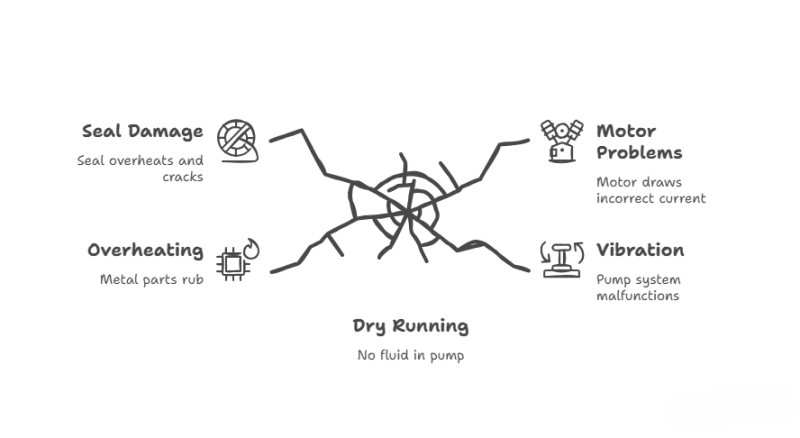
When a pump operates with no fluid, the damage starts almost immediately. That is why preventing the effects of dry running on pumps is critical for machine life and business profit.
1. Overheating and Friction Damage:
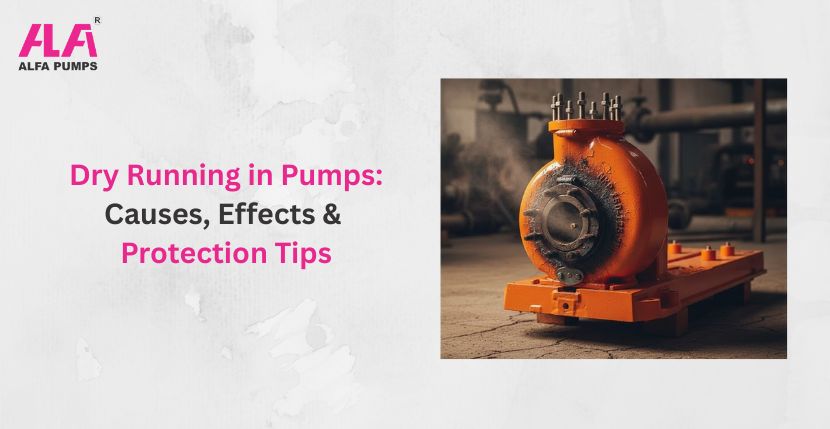
Fluid in a pump acts as both a lubricant and a coolant. Without this fluid, the metal parts rub directly against each other. This friction causes extreme heat and damage. Bearings spin dry, rotors grind, and components warp from heat stress.
2. Mechanical Seal Damage:
The mechanical seal is one of the weakest points when a pump runs dry. Without fluid lubrication, the seal faces overheating in seconds. It would then be burning, cracking, or deforming beyond repair. Once the seal breaks, leakage is almost certain.
3. Pump Motor and Energy Problems:
Dry running makes the pump work inefficiently. Motors draw incorrect current, can overload, or even burn out in extreme cases. The pump struggles harder, consumes more energy, and demands expensive repairs.
4. Vibration and System Malfunction:
Without proper fluid flow, the pump loses balance. Parts vibrate, bearings wear out faster, and the entire pump system can malfunction. This leads to unpredictable shutdowns and frequent maintenance costs.
Read Also: How Wear and Corrosion Silently Destroy Metal Pumps and Cut Their Lifespan
Smart Protection Tips to Prevent Dry Running:
- Always ensure proper fluid supply before startup.
- Install sensors to detect low fluid levels.
- Monitor pumps regularly for unusual vibrations.
- Use automatic shut-off for chemical pumps.
- Keep suction lines free from blockages.
- Schedule maintenance to avoid mechanical seal damage.
- Train staff on correct pump operation procedures.
Read Also: How to Select the Right Chemical Transfer Pump for Your Industry
Dry Run Protection for Chemical Pumps – Why It Matters
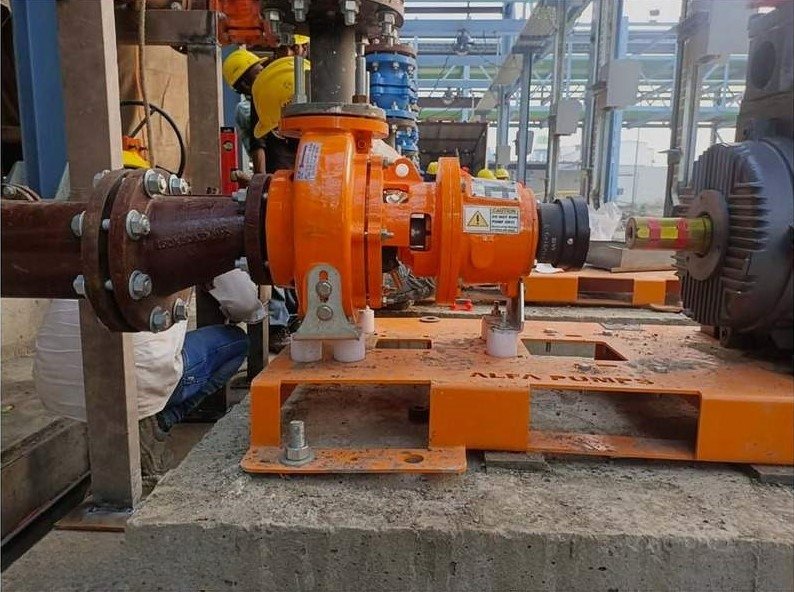
In India’s competitive manufacturing world, installing dry run protection for chemical pumps keeps your business safer and more profitable than companies without it. Chemical processing plants handle dangerous liquids. In these systems, a pump running dry isn’t just equipment damage — it’s a safety risk. That’s why dry run protection for chemical pumps is not optional; it’s essential.
- Automatic shut-off systems – Modern dry run protection systems use sensors. They detect low fluid or no flow and turn the pump off before damage starts. These sensors protect every part – from the motor to bearings and seals.
- Smart monitoring and alarms – Flow meters, pressure switches, and thermal detectors help operators spot and stop a dry run condition. This happens even before the pump becomes a total failure. This saves time, money, and downtime.
- Energy savings and extended pump life – By preventing dry running events, these systems reduce wasted energy. This extends the lifespan of chemical pumps, thereby cutting down service and replacement costs.
Dry Running in Sealless Pumps – What You Should Know
Sealless pumps (like magnetic drive pumps) are designed to eliminate leaks. This is especially true when handling hazardous chemicals. But they still depend on fluid to stay cool and lubricated. When they experience dry running in sealless pumps, the bearings and other internal parts can quickly overheat and fail just like in sealed pumps.
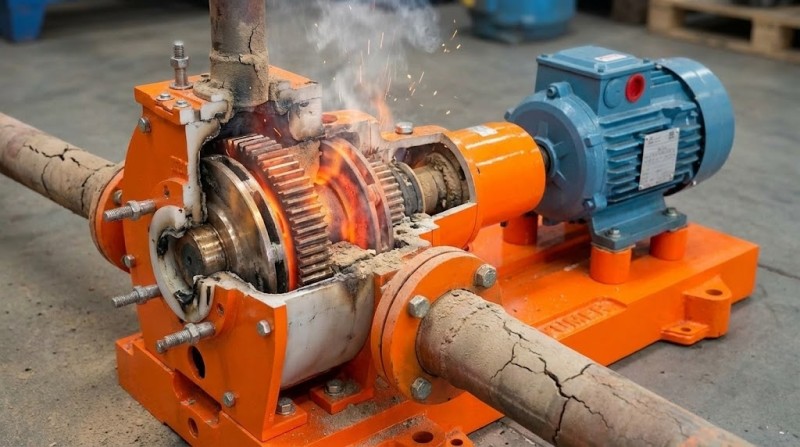
Even though sealless pumps reduce leak risks, they still must avoid dry run conditions in the pumps. Without fluid running through them, these pumps can suffer damage and costly downtime just as quickly as any other type.
Types of Dry Run Protection Technologies:
| Technology | How It Works | Advantage | Limitation |
|---|---|---|---|
| Flow Switch | Detects no flow | Affordable | Not always accurate |
| Pressure Sensor | Detects suction pressure drop | Reliable | Needs calibration |
| Thermal Sensor | Detects overheating | Fast response | Reacts after heat rise |
| Smart IoT Sensors | Real-time monitoring | Predictive maintenance | Higher initial cost |
Industry-Specific Dry Run Scenarios:
- Chemical Industry: Corrosive fluid + dry running = rapid seal destruction
- Water Treatment Plants: Dry run during low tank levels damages impellers
- Mining Industry: Slurry pumps suffer bearing seizure during dry conditions
- Power Plants: Cooling water pump dry run = overheating risk
This shows Alfa Pumps’ expertise across industries.
Cavitation vs Dry Running:
Many people confuse these two. Here’s an easy comparison:
| Feature | Dry Running | Cavitation |
|---|---|---|
| Cause | No fluid | Vapor bubbles |
| Sound | Grinding | Popping noise |
| Damage | Seal burn | Impeller pitting |
| Fix | Ensure fluid | Improve NPSH |
How Alfa Pumps is India’s Smartest Choice
At Alfa Pumps, we lead India’s pump solutions market because we combine top‑grade engineering, real‑time dry run protection systems, and rugged designs that withstand real industrial conditions. Here’s how Alfa Pumps excels above all others in India:
- Industry‑grade dry run protection is built into every system
- Customised solutions for any industry
- India‑wide support network: Across major industrial centers, including Coimbatore (India’s “Pump City”), Alfa Pumps ensures fast service and maintenance support so your operations stay up and running.
- Data‑driven maintenance programs: We don’t just sell pumps. We offer monitoring and scheduled automated maintenance. This dramatically reduces unexpected issues.
Protect Your Investment with Alfa Pumps…NOW!!
In India’s growing industrial landscape, pump failures caused by dry-running pumps are among the most common sources of breakdowns. That’s why choosing Alfa Pumps with built‑in dry run protection for chemical pumps and smart system monitoring gives your business the edge. Schedule a free onsite or virtual pump audit with Alfa Pumps today and prevent mechanical seal damage, overheating, and costly downtime.
FAQs:
When a pump operates without liquid, it creates pump running without fluid damage symptoms like overheating, seal burning, and bearing failure. Liquid normally acts as cooling and lubrication, so without it, metal parts rub directly and get damaged very fast.
You can notice early warning signs of pump operating without suction liquid such as unusual vibration, burning smell near the seal, and sudden drop in discharge pressure.
Yes, even sealless pumps like magnetic drive pumps require dry run protection system for magnetic drive pumps. They depend on liquid for cooling internal bearings.
Yes, when there is no proper flow, the motor may draw abnormal current. This creates high motor ampere draw due to low flow condition and wastes energy.
Mechanical seals depend on liquid for lubrication and cooling. Without fluid, friction increases rapidly, causing mechanical seal overheating due to lack of lubrication. This can result in seal face cracking in chemical process pumps, which leads to leakage and costly repair.

Mr. Sanket Patel is a visionary industrial leader and managing director of Alfa Pumps. He leads the company’s innovation in fluid handling solutions, focusing on chemical process pumps designed for corrosive fluids.