In industrial systems, moving fluids efficiently is your worry? Then mind it, it is about choosing the right pump orientation. From water treatment plants to chemical processing units, the way a pump is positioned directly impacts performance. It will also affect your pump maintenance and related investment cost. The comparison of horizontal and vertical pumps becomes essential when designing systems that must run continuously without failure.
Pump Orientation and Industrial Fluid Handling:
Orientation determines how fluids enter, move and exit the system under varying pressures. Therefore a clear understanding of horizontal vs vertical centrifugal pumps is a must. It guides industries from day one on how to reduce downtime, improve efficiency and make smarter investment decisions.
- Pumps consume 10% global electricity usage
- Industrial pumps account for 25% motor energy
- Pump efficiency improvements save 20% energy costs
- Improper pump selection increases energy use 30%
Having proper knowledge will propel your fluid handling infrastructure across demanding operational environments today.
What Horizontal Pumps Are and How They Work:
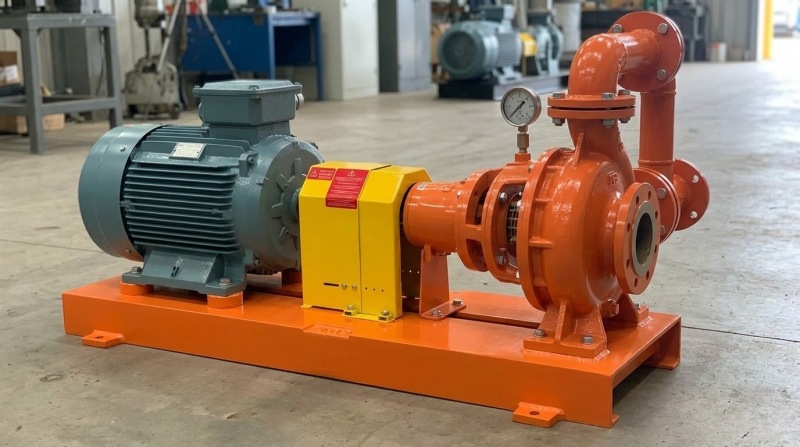
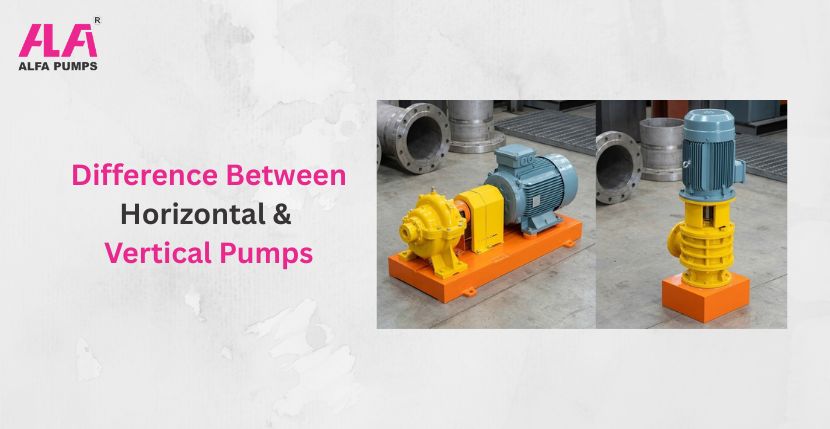
Horizontal pumps are widely used across industries. They have a simple design and ease of use. In horizontal and vertical centrifugal pump comparisons, these pumps feature a shaft. This element runs parallel to the ground. They operate using a centrifugal mechanism where the impeller rotates, pushing fluid outward by increasing velocity and pressure. For instance in a chemical transfer horizontal pump, the fluid enters through the suction inlet. Then it further moves through the impeller and exits through the discharge point.
These pumps are easy to install and maintain due to their accessible layout. They perform best in environments where there is stable suction and enough floor space for proper installation.
Read Also: Choosing the Right Pump Impeller: Proven Types and Smart Considerations
What Vertical Pumps Are and Their Working Principle:
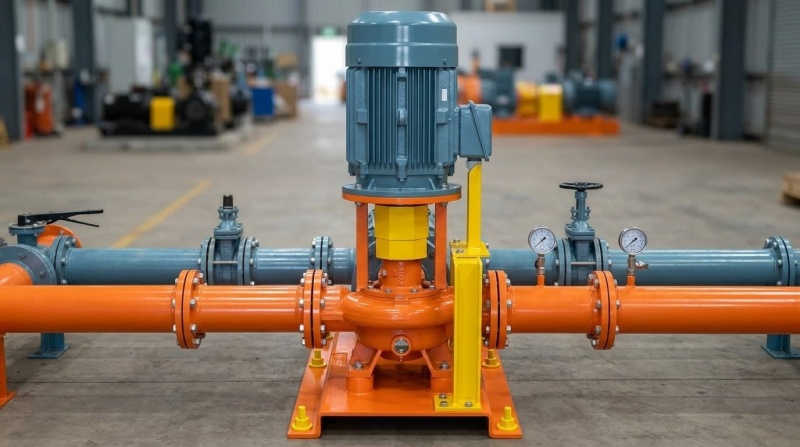
Vertical pumps are designed for situations where space is limited or fluids need to be lifted from deep sources. In horizontal and vertical pumps installation, these pumps stand upright with three elements mainly:
- A shaft positioned vertically.
- The motor is usually placed at the top.
- Pumping components may be submerged in fluid.
Like horizontal pumps, they also use centrifugal force. But in the vertical chemical process pumps, the up-straight design allows fluid to move upward efficiently. This reduces the need for priming and improves suction performance. Vertical pumps are ideal for deep wells, tanks and sumps where fluid access is below ground level.
Read Also: Non-Metallic Centrifugal Pumps : Types, Working & Uses Guide
Key Differences Between Horizontal and Vertical Pumps:
| Factor | Horizontal Pumps | Vertical Pumps |
| Orientation | Installed flat with shaft parallel to ground. | Installed upright with shaft in vertical position. |
| Space Requirement | Needs more floor area for setup and servicing. | Takes less floor space, suitable for tight areas. |
| Installation | Easier to install but requires proper alignment. | Slightly complex but naturally aligned by design. |
| Maintenance | Simple access to parts makes servicing quick. | Maintenance can be harder, especially if submerged. |
| Suction Conditions | Works best with a stable, positive suction head. | Handles low or negative suction conditions better. |
| Cost | Lower initial cost and simpler setup overall. | Higher upfront cost in some installations. |
| Efficiency Use Case | Ideal for general-purpose fluid transfer needs. | Best for deep wells, tanks and sump applications. |
| Accessibility | All components are easy to reach at ground level. | Internal parts may require dismantling to access. |
| Stability | Needs careful alignment to avoid vibration issues. | Built-in alignment reduces operational imbalance. |
| Applications | Common in agriculture, HVAC and water supply. | Used in sewage, offshore and deep pumping systems. |
How Fluid Moves in Horizontal and Vertical Pumps (Easy Explanation):
Understanding fluid movement makes the concept very clear. In horizontal pumps, the fluid flows in a straight direction along the ground level. It enters from the front and moves sideways through the pump.
In vertical pumps, the fluid is lifted from below and pushed upward. This makes them very useful for underground or deep sources.
In simple terms, horizontal pumps move fluid sideways, while vertical pumps move fluid upward. This basic difference plays a big role in real industrial usage.
Read Also: Future of Fluid Handling in India
Benefits and Industrial Applications of Horizontal Pumps:
Horizontal pumps offer clear advantages in terms of simplicity, cost and maintenance. In horizontal and vertical pumps comparisons, they are often preferred for their easy accessibility and quick servicing.
- Industries benefit from lower downtime and reduced repair costs.
- Widely used in agriculture, water distribution networks, HVAC systems and manufacturing plants. Their ability to handle high flow rates efficiently makes them ideal for continuous operations.
- Additionally, spare parts are easily available and technicians are familiar with their design. This makes horizontal pumps a dependable and cost-effective solution for industries aiming for stable and scalable fluid handling systems.
Benefits and Industrial Applications of Vertical Pumps:
Vertical pumps stand out in applications where space and suction conditions are major challenges. In vertical vs horizontal pump installation, they require minimal ground space while delivering strong performance.
- Commonly used in wastewater management, deep well extraction, power plants and chemical industries.
- Design reduces priming issues and ensures reliable operation even in demanding conditions.
- In horizontal and vertical pumps analysis, vertical pumps are especially useful for handling fluids from underground or confined spaces.
- Ability to operate while partially or fully submerged. This advantage makes them essential for industries requiring efficient fluid lifting solutions.
Which Pump Should You Choose? (Real Industry Scenarios):
In real life, pump selection depends on the situation rather than theory. For example, if your plant has limited floor space, vertical pumps are more suitable. On the other hand, if your team needs quick and easy maintenance, horizontal pumps are a better option.
When fluid needs to be lifted from underground sources like borewells or sump tanks, vertical pumps perform better. But for applications requiring high flow with stable suction, horizontal pumps are more efficient.
This practical approach helps industries make faster and smarter decisions.
Read Also: How to Select the Right Chemical Transfer Pump for Your Industry
Horizontal and Vertical Pumps Total Cost of Ownership (TCO) Comparison:
Many industries focus only on initial cost, but long-term cost matters more.
| Cost Factor | Horizontal Pumps | Vertical Pumps |
| Initial Cost | Lower | Higher |
| Maintenance Cost | Moderate | Can be higher |
| Energy Consumption | Stable | Efficient in suction issues |
| Downtime Cost | Low (easy repair) | Lower in critical operations |
Over time, the right pump selection can save a significant amount of money in energy and maintenance.
Factors to Consider When Selecting a Horizontal and Vertical Pumps:
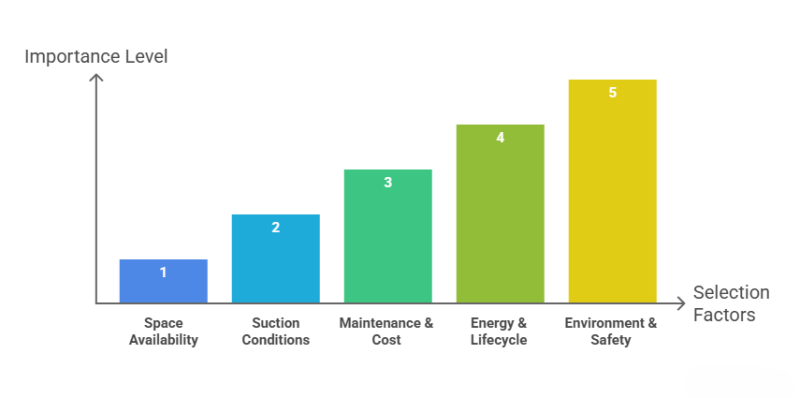
Which ones to go for between horizontal and vertical pumps?
- Space availability is often the first thought. This is especially when comparing vertical vs horizontal pump installation.
- Suction conditions, fluid characteristics and required flow rates have to be carefully evaluated.
- Maintenance accessibility and installation cost. These two have to be concordant for long-term efficiency.
- In horizontal vs vertical centrifugal pump selection, industries should also consider energy consumption and lifecycle costs.
- Environmental conditions and safety requirements cannot be ignored.
Choosing the Right Pump Brand Matters
Understanding the difference between horizontal pumps vs vertical pumps is essential for any industry dealing with fluid movement. While horizontal pumps provide ease of maintenance and flexibility, vertical pumps deliver efficiency in compact and deep-source environments. The comparison of horizontal vs vertical centrifugal pumps clearly shows that no single option fits all needs. If you still have more queries, connect with us for a free consultation call. Expert guidance from manufacturers like Alfa Pumps can make a significant difference. We will ensure that you invest in the right solution today, to get uninterrupted operations and stronger business growth tomorrow.
FAQs:
For compact areas, vertical pump for limited floor space applications is a better choice because it takes less ground area compared to horizontal pumps.
Horizontal pump with easy maintenance access is simpler to repair because all parts are available at ground level, reducing downtime.
Yes, horizontal pump with lower initial investment cost is generally cheaper to install, but long-term cost depends on application and usage.
Vertical pump for low suction pressure conditions performs better because its design reduces priming issues and improves suction efficiency.
Horizontal pump for high flow rate liquid transfer is generally preferred as it can move large volumes efficiently.
Energy use depends on conditions, but energy efficient pump for continuous industrial operation should be selected based on proper sizing and usage.

Mr. Sanket Patel is a visionary industrial leader and managing director of Alfa Pumps. He leads the company’s innovation in fluid handling solutions, focusing on chemical process pumps designed for corrosive fluids.