Industrial pumping systems operate continuously under demanding production conditions, making temperature control extremely important for long-term efficiency. Even a minor rise in operating heat can reduce productivity, increase maintenance expenses and affect overall equipment stability. Proper monitoring and early detection of pump overheating help industries avoid unexpected failures and costly downtime.
The Bureau of Energy Efficiency (BEE) benchmarking studies highlighted that almost 50-60% of Industrial Pumps operate below their intended hydraulic efficiency levels. This causes massive avoidable energy losses annually.
Many industries ignore early warning signs of centrifugal pump overheating until unexpected shutdowns occur. Alfa Pumps helps manufacturers identify hidden risks before they escalate into larger operational failures. Proper monitoring, timely servicing and engineered system design help industries reduce downtime. We will now showcase how you can improve reliability and maintain safer plant operations across challenging industrial environments.
What Happens When a Pump Overheats
When excessive heat develops inside a pumping system, internal components begin losing operational stability. Bearings expand under pressure, lubricants lose viscosity. The seals gradually weaken due to constant thermal exposure. Over time, this creates internal friction that affects shaft alignment and impeller movement. The resulting pump temperature rise can reduce flow consistency. This will increase energy consumption across industrial operations.
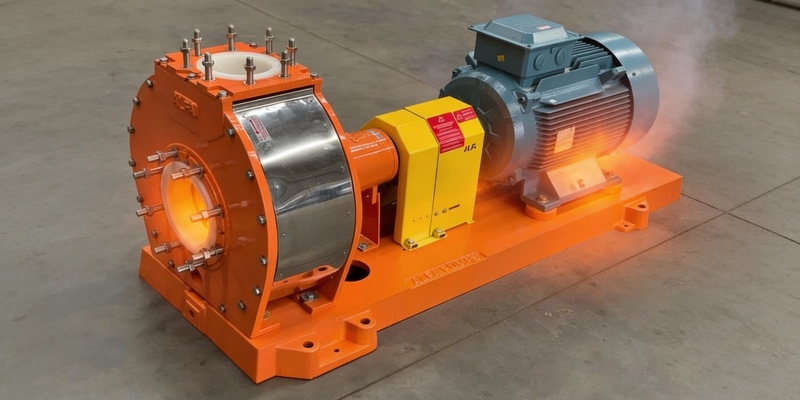
A chemical processing facility in Gujarat recently faced repeated production interruptions because cooling circulation was unstable during high-demand shifts. Engineers initially suspected electrical problems. But Alfa Pumps identified blocked suction flow as the real issue. After redesigning the circulation layout and improving ventilation, operating temperatures stabilized significantly.
Ignoring early signs can eventually create serious pump failure causes:
- Motor stress
- Seal leakage
- Permanent structural damage inside the pumping assembly.
- Bearing wear
- Impeller imbalance
- Reduced hydraulic efficiency
- Frequent maintenance interruptions
Continuous overheating can also affect the overall lifespan of industrial pumping systems. If thermal stress continues for long periods, the internal parts may lose dimensional accuracy and create severe operational instability.
Hidden Financial Impact of Pump Overheating:
Many industries only focus on repair expenses when a pump overheats. However, the actual financial impact is much larger. Overheating not only damages pump components but also affects production efficiency, electricity usage and maintenance planning.
Continuous thermal stress can lead to:
- Higher power consumption
- Unexpected production shutdowns
- Increased spare part replacement
- Reduced equipment life
- Frequent maintenance requirements
- Lower operational efficiency
Even a small rise in operating temperature can reduce bearing life significantly. Motors also consume more electricity when internal resistance increases due to heat build-up. In large manufacturing facilities operating multiple pumps continuously, these hidden losses can create major annual operational expenses.
Common Causes of Industrial Pump Heat Build-Up:
Knowing centrifugal pump overheating causes is important for industries that rely on uninterrupted fluid movement.
- One major issue is dry running. The insufficient liquid flow increases friction and internal heat generation.
- Another common reason is restricted discharge flow caused by clogged filters, blocked pipelines or incorrect valve positioning.
- Poor lubrication also contributes heavily to rising temperatures. Lubrication issues in pumps reduce bearing protection, increasing metal contact during continuous operation. This often leads to bearing overheating and unstable rotational movement.
- Excessive vibration in pumps can further worsen the situation by stressing internal assemblies and reducing system balance.
- Many facilities also struggle with centrifugal pump motor overheating due to incorrect motor sizing or excessive operational load. In textile and pharmaceutical industries, improper alignment frequently creates overheating pump motor conditions during long production cycles.
A Rajasthan-based manufacturing unit recently approached Alfa Pumps. They had repeated thermal shutdowns affecting production output. Engineers discovered multiple centrifugal pump overheating causes – worn bearings, improper ventilation and damaged seals. We corrected the alignment, upgraded cooling arrangements and replaced faulty components. Resultantly, the plant experienced improved thermal stability and reduced downtime.
Other common causes of industrial pump overheating include:
- Improper pump sizing
- Low suction pressure
- Cavitation inside the pump
- Continuous overload operation
- Poor ventilation near motors
- Incorrect installation practices
- Dirty cooling systems
- Misaligned couplings
- High ambient temperature conditions
How Cavitation Contributes to Pump Overheating:
Cavitation is one of the most ignored causes of industrial pump overheating. It happens when vapor bubbles form inside low-pressure areas of the pump and collapse suddenly during operation.
This creates:
- Shock waves inside the pump
- Impeller surface damage
- Increased vibration
- Internal heat generation
- Reduced hydraulic efficiency
If cavitation continues for a long time, it can create severe thermal stress and damage critical internal components. Proper suction conditions and flow balancing are important to reduce cavitation-related overheating problems.
Industry-Specific Pump Overheating Challenges:
Different industries face different overheating risks depending on fluid properties, operating pressure and production conditions.
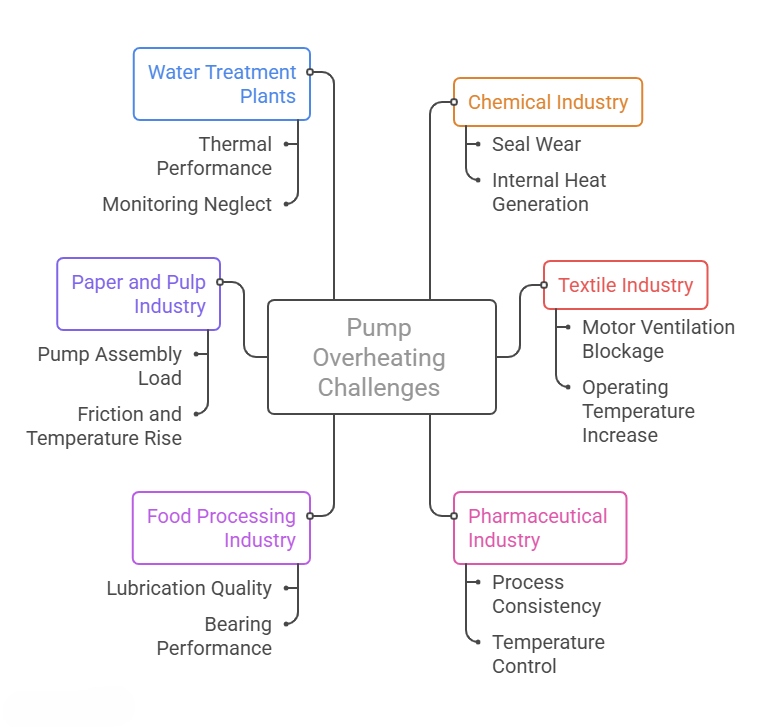
Corrosive fluids and continuous-duty operation increase seal wear and internal heat generation.
2. Textile Industry:
Dust particles and lint accumulation often block motor ventilation systems and increase operating temperature.
Precision-based production processes require stable temperature control. Even small overheating issues can affect process consistency.
4. Food Processing Industry:
Frequent washdowns and moisture exposure can affect lubrication quality and bearing performance.
High-density slurry handling creates additional load on pump assemblies, increasing friction and temperature rise.
Continuous operation and fluctuating flow conditions can create unstable thermal performance if monitoring is neglected.
Symptoms of Rising Pump Temperature:
Industrial systems usually provide several warning signs before severe heat damage occurs. One of the earliest indicators is unusual noise near the motor housing or rotating assembly. Operators may also notice unstable pressure output, fluctuating flow rates or repeated motor tripping during operation.
Persistent overheating often creates a burning smell around the equipment area. In many facilities, visible leakage develops because mechanical seal failure increases friction and internal instability. Maintenance teams may additionally detect abnormal vibration, declining efficiency or excessive surface temperatures around bearings and motor sections. Industries facing repeated seal failures due to thermal stress can consider sealless magnetic drive pumps, which eliminate shaft seal risks entirely.
A food processing company in Haryana ignored minor heating symptoms for several weeks. They thought those were temporary seasonal issues. Eventually, the system experienced severe centrifugal pump motor overheating. It caused sudden production stoppages. Alfa Pumps resolved the problem through motor overheating protection upgrades, improved lubrication management and optimized cooling flow design. Thus, early detection and resolution of the problem is necessary.
Additional warning signs may include:
- Increased electricity consumption
- Frequent overload tripping
- Reduced discharge pressure
- Irregular fluid circulation
- Discolored lubricant
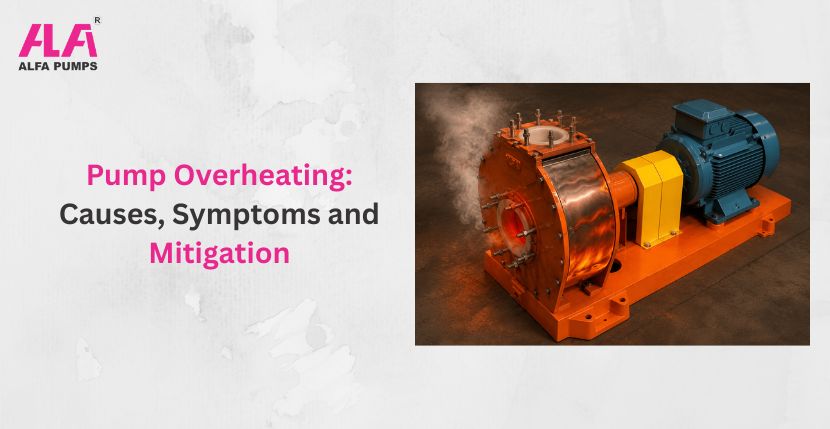
- Steam formation near seals
- Hot motor surface temperature
- Sudden drop in operational efficiency
Read Also: NPSH in Centrifugal Pumps: Simple Fixes for Better Pump Life
Recommended Operating Temperature Range for Industrial Pumps:
| Pump Component | Recommended Temperature Range |
| Bearings | 60°C – 80°C |
| Motor Housing | 70°C – 90°C |
| Mechanical Seals | Below 85°C |
| Lubrication Oil | 50°C – 65°C |
| Coupling Area | Below 70°C |
| Pump Surface Temperature | Depends on fluid application |
Actual temperature limits may vary depending on pump design, operating conditions and fluid characteristics.
Seasonal Impact on Pump Temperature:
Ambient weather conditions can directly affect industrial pump performance. During peak summer seasons, surrounding temperatures become much higher. This reduces cooling efficiency and increases thermal stress on motors and rotating assemblies.
Industries operating in high-temperature industrial environments may experience:
- Faster lubricant breakdown
- Reduced ventilation efficiency
- Increased motor load
- Thermal expansion of components
- Higher risk of overheating during peak production hours
Preventive maintenance before summer operation periods helps industries reduce unexpected shutdowns and maintain stable performance.
Impact of Pump Overheating Performance and Lifespan:
Continuous exposure to excessive heat significantly affects equipment durability and operational efficiency. Internal friction weakens bearings, damages seals. This together increases pump efficiency loss across high-demand industrial environments. If unresolved, repeated thermal stress can permanently deform rotating components and reduce system reliability. Frequent shutdowns, unstable flow delivery and rising maintenance costs eventually affect overall production performance.
Alfa Pumps helps industries minimize these risks through engineered cooling systems, predictive diagnostics and long-term maintenance support. You get improved operational consistency while reducing avoidable infrastructure expenses.
Effective Mitigation Strategies for Industrial Pumps:
The best solution begins with identifying hidden operational inefficiencies before they create severe thermal stress. To prevent centrifugal pump overheating causes from escalating into larger mechanical failures, Alfa Pumps recommends:
- Regular thermal inspections
- Alignment verification
- Continuous monitoring of flow conditions
- Industries should also invest in advanced pump cooling methods
- Replacing worn bearings
- Maintaining lubricant quality
- Correcting installation errors
Facilities experiencing centrifugal pump motor overheating should additionally evaluate motor loading conditions and ventilation performance.
A pharmaceutical processing company in North India faced repeated shutdowns due to unstable circulation temperatures. Alfa Pumps redesigned the piping arrangement. We corrected load imbalance and upgraded cooling systems. These changes reduced operational stress, minimized overheating risks and improved long-term process reliability across the plant.
Preventive Maintenance Tips to Avoid Industrial Heat Damage:
Regular inspection of seals, bearings, couplings and lubrication quality is necessary. It helps identify centrifugal pump overheating causes before equipment failure occurs. Operators should monitor vibration levels and temperature fluctuations. They should also keep checking the pressure consistency during routine operations.
Cleaning filters, maintaining proper ventilation and replacing damaged components on schedule can also reduce overheating risks significantly.
Alfa Pumps encourages planned maintenance programs. This process improves equipment reliability, lower emergency repair costs and reduces operational disruptions. We assure a smooth operation across various kinds of manufacturing facilities handling continuous industrial production demands.
Conclusion
Modern industries cannot afford repeated thermal failures that interrupt production and increase operational expenses. Early diagnosis, proper maintenance and engineered system improvements help manufacturers avoid severe performance instability and expensive downtime.
Businesses facing overheating problems should adopt preventive diagnostics, proper servicing schedules and advanced cooling strategies. Alfa Pumps supports industries with customized pumping solutions designed to improve reliability, efficiency and thermal stability under demanding operational conditions. Connect with us to maintain long-term industrial performance and operational safety.
FAQs:
A centrifugal pump overheating problem usually happens due to dry running, blocked pipelines, poor lubrication, cavitation or improper motor loading. Continuous friction inside the pump increases heat generation and affects overall pumping efficiency.
To prevent industrial pump overheating, industries should maintain proper lubrication, ensure smooth fluid flow and regularly inspect bearings, seals and ventilation systems. Routine maintenance and temperature monitoring help reduce thermal stress effectively.
An overheating pump motor may result from excessive load, poor ventilation, voltage fluctuation or improper alignment. If ignored for long periods, high motor temperature can damage internal winding and reduce operational life.
Yes. Insufficient liquid flow creates internal friction and increases pump heat build-up inside rotating components. Low suction conditions also reduce cooling efficiency and create unstable hydraulic performance during operation.
Common pump overheating symptoms include unusual vibration, burning smell, seal leakage, unstable pressure and repeated motor tripping. Rising surface temperature near bearings and motors is also an early warning sign.
Poor lubrication increases metal-to-metal contact inside bearings and rotating assemblies. This creates bearing overheating, excessive friction and premature component wear during continuous industrial operation.
Yes. Pump cavitation problems create vapor bubble collapse inside the pump, generating shock waves, vibration and internal heat. Long-term cavitation can damage impellers and reduce hydraulic efficiency significantly.
Bearings usually overheat due to poor lubrication, excessive load, contamination or shaft misalignment. Continuous bearing temperature rise increases friction and affects smooth rotational movement inside the pump.

Mr. Sanket Patel is a visionary industrial leader and managing director of Alfa Pumps. He leads the company’s innovation in fluid handling solutions, focusing on chemical process pumps designed for corrosive fluids.